



Blog / Buick Envista

The Buick Envista Is the Right Fit for Drivers Who Want Style Without the Size

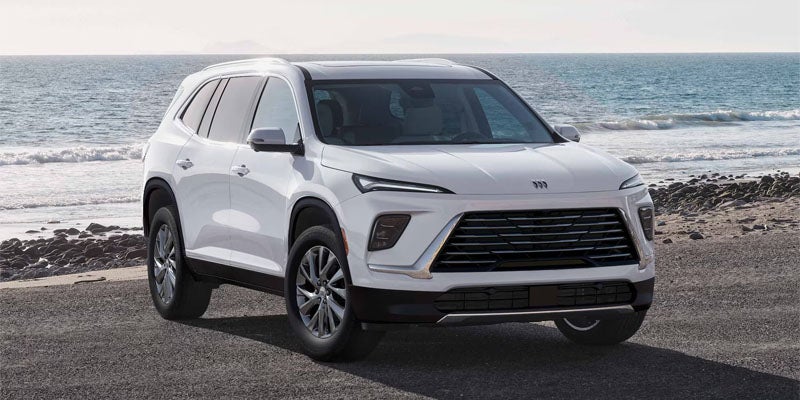
2026 Buick Envista

If you've been eyeing a premium vehicle but don't want to deal with a large SUV, you should be looking at the Buick Envista. This compact crossover is built for drivers who want an upscale feel without the bulk - it's a smart, practical choice that doesn't require any compromises. 

What Makes the Buick Envista Stand Out 

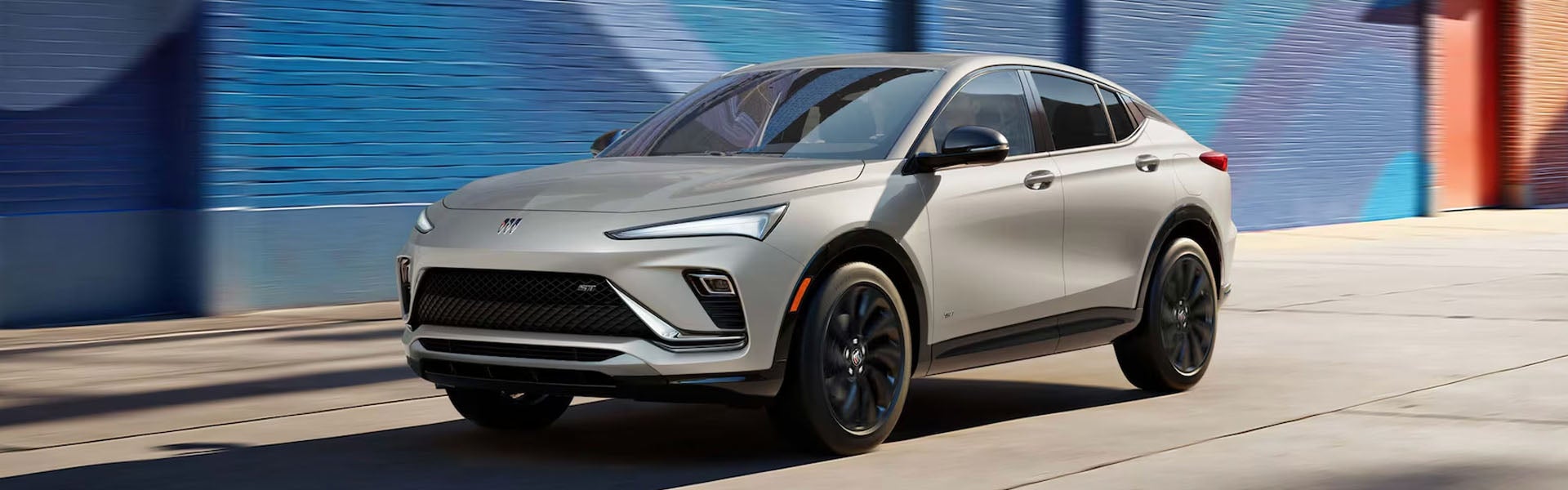
The Buick Envista was designed with a clear purpose: to deliver a stylish driving experience in a smaller, more manageable package. Its sleek exterior lines and sculpted profile give it a presence on the road that feels a step above the typical entry-level crossover crowd. 

Inside, the cabin is surprisingly well-appointed. Soft-touch materials, a clean dashboard layout, and available premium features make it feel like a much larger vehicle. So, if you're driving through town or heading out for the weekend, the Envista wraps you in comfort from the moment you settle in. 

Comfort and Technology in a Compact Package 

Don't let the compact footprint fool you - Envista delivers on technology. Available features include an ultrawide 11-in touchscreen and infotainment display, wireless AppleCarPlay® and Android Autoâ„¢ compatibility, wireless charging, and a suite of driver assistance tools that help keep every trip stress-free. 

Connectivity is straightforward and intuitive. Available built-in navigation and smartphone integration mean you stay linked without fumbling with extra hardware. The Envista brings the kind of tech you'd expect in a larger premium vehicle and packages it in a size that's easier to park and navigate in everyday situations. 

Performance That Fits Everyday Driving 

The 2026 Buick Envista is powered by a turbocharged 1.2L three-cylinder engine that delivers 137 hp and 162 lb-ft of torque, paired with a six-speed automatic transmission and front-wheel drive. Its smooth ride, efficient powertrain, and fuel economy of up to an EPA-estimated 32 MPG highway make it a strong choice for comfortable daily driving. 

The Envista is powered by a turbocharged engine tuned for smooth, responsive performance in real-world driving conditions.  

Ride quality is another highlight. The suspension is calibrated to absorb road imperfections without feeling floaty, giving you a smooth, planted feel that's well-suited for a wide range of road surfaces. 

Why the Envista Makes Sense as a Buick Crossover in Ohio 

For buyers exploring a Buick crossover in Ohio, the Envista hits a sweet spot. It's smaller than a full-size SUV but offers enough cargo room and passenger space for most daily needs. It's also more approachable in terms of overall size, making it easier to handle in tight parking lots or narrow streets. 

Is the Buick Envista Right for You? 

If style, comfort, and smart sizing are important to you, the Buick Envista is worth serious consideration. It's a well-rounded Buick crossover Ohio drivers will appreciate for its blend of everyday practicality and elevated design. 

Stop in and see us at Laria Chevrolet and take a closer look at the Envista lineup. Our team serving drivers in Rittman, OH is ready to help you find the trim and features that match your lifestyle. The Buick Envista might just be exactly what you didn't know you were looking for.
Posted in:

Related Posts

2026 Buick Enclave

Chevrolet Traverse or Buick Enclave: Which Three-Row SUV Fits Your Family?

The Chevrolet Traverse and Buick Enclave both offer three rows, but they give families different choices in the second row and a different feel up front. If you are comparing three-row SUVs in Rittman, OH, start with the people and gear you carry most often. Then try both cabins in person. How easy is it to reach the third row? The Traverse offers seating for seven or, on certain configurations, up to eight with a second-row bench. That extra seat may matter if you regularly carry a larger group. The Enclave seats seven, with second-row captain’s chairs and a space between them that passengers can use to reach the back. Try the route your family would actually take. Have a third-row passenger climb in, sit down, and get back out. If you use car seats, check how their placement affects access before deciding which layout works better. What fits when everyone comes along? Both SUVs have split-folding third-row seats, so you can fold part of the row when you need to carry a long item and still keep some passenger seating. The more revealing test is the cargo area with every seat upright. Bring the stroller, sports bag, or luggage you use regularly and see how it fits behind the third row. Next, fold the seats and try loading something bulky. Pay attention to the cargo-floor height, how the seats operate, and whether the liftgate is convenient to use when your hands are full. Seat-folding features vary by trim, so test the specific vehicle you are considering. Which cabin feels right on a long drive? The Traverse pairs a family-focused layout with a large center touchscreen. The Enclave emphasizes a more tailored cabin, including an ultrawide display and available comfort features that may appeal to families who spend a lot of time on the road. Sit in both driver’s seats and use the features you rely on: navigation, audio, climate controls, and charging points. Then have passengers try the second and third rows. A screen’s size tells you less about daily use than how easily everyone can settle in and find what they need. If an eighth seat is important, focus on a Traverse configuration with the available bench. If you prefer captain’s chairs and the Enclave’s cabin feel, start there. At Laria Chevrolet Buick in Rittman, you can compare the specific Traverse and Enclave vehicles available and see which one makes your family routine easier.

Tire Pressure Light

Why Does Your Tire Pressure Warning Come On During the First Cold Mornings?

The first chilly morning of the season can bring an unexpected tire pressure warning to your Chevrolet or Buick. As the air inside a tire cools, its pressure drops. A tire that was close to the recommended pressure on a warm afternoon may be low enough to trigger a warning the next morning. Cold weather may explain the timing, but the warning still deserves a pressure check. A tire can also lose air because of a puncture or another leak. How should you check tire pressure? Use a tire gauge to check each tire before driving, or after the vehicle has been parked for at least three hours. Compare the readings with the recommended cold tire pressures on the label inside the driver’s door or in the owner’s manual. The number molded into the tire’s sidewall is its maximum pressure, not the vehicle’s recommended setting. Add air as needed, then check the tires again over the next several days. Tire pressure rises as the tires warm up during a drive, so avoid releasing air from a warm tire simply because its reading is higher than it was that morning. Make a habit of checking pressure monthly, including during seasonal temperature changes. When does the warning call for an inspection? If one tire keeps losing pressure after you fill it, have it inspected. A technician can look for a puncture, damage, or a leak around the valve or wheel. If the pressures are correct but the warning persists, the tire pressure monitoring system may need to be checked. The warning alone cannot tell you which of these is the cause. If a tire looks flat or damaged, address it before driving. Otherwise, note which tire is affected and whether the warning returns after you add air. Those details can help the service team investigate. For Chevrolet Buick tire service in Rittman, Laria Chevrolet Buick can check your tire pressures and inspect a tire that continues to lose air. That gives you an answer before a cold-morning warning becomes a recurring part of your drive.

Engine Overheating

If Your Temperature Gauge Starts Climbing, Don't Wait: What Overheating Can Mean

Most dashboard gauges spend their lives doing very little. They sit where they're supposed to, reassuring you that everything is working as intended. The temperature gauge is different. When it starts moving higher than normal, it's asking you to pay attention. Ignoring an overheating engine can transform a routine service visit into a major repair. Understanding what causes rising engine temperatures, and responding early, is one of the simplest ways to protect your vehicle for the long haul. Your Cooling System Does More Than Keep the Engine Cool Engine coolant has one primary responsibility: carrying heat away from the engine before that heat causes damage. As coolant circulates through the engine and radiator, it absorbs excess heat and releases it into the surrounding air. When the system is full, properly sealed, and operating as designed, engine temperature remains remarkably consistent. Routine cooling system maintenance goes well beyond adding coolant. Inspecting fluid condition, checking freeze and boil protection, examining hoses, and verifying the operation of components such as the radiator, thermostat, and water pump all help keep the system performing as intended. Early Warning Signs Are Easy to Miss A temperature gauge moving above its normal position is the most obvious sign that something isn't right, but it often isn't the first. A sweet smell after driving, coolant beneath the vehicle, steam from under the hood, a low coolant warning, or a heater that suddenly stops producing warm air can all indicate cooling system concerns before full overheating occurs. Addressing these symptoms early is almost always simpler, and less expensive, than waiting until the engine reaches excessive temperatures. Why Overheating Becomes Expensive So Quickly Modern engines operate within carefully controlled temperature ranges. When overheating occurs, metal components expand beyond their intended limits. Continued operation under those conditions can damage cylinder heads, compromise head gaskets, or lead to internal engine damage that requires extensive repairs. What begins as a leaking hose, a worn thermostat, or a small coolant leak can become significantly more serious if the warning signs are ignored. When Should Coolant Be Serviced? Coolant doesn't last forever. Most manufacturers recommend replacing coolant somewhere between 30,000 miles and five years, depending on the vehicle and the type of coolant specified. Following the maintenance schedule in your owner's manual remains the best guide. If the temperature gauge has begun climbing, however, scheduled maintenance intervals no longer apply. The cooling system should be inspected promptly to determine the cause before additional damage occurs. If you're searching for Chevrolet service, Buick service, cooling system repair, or engine maintenance near Rittman, regular coolant inspections remain one of the most effective ways to protect long-term engine reliability. Keep Your Cooling System Ready for the Road Ahead Cooling systems rarely fail without providing advance warning. Recognizing those early signs, scheduling inspections when something seems different, and staying current with recommended coolant service can help prevent unexpected breakdowns and costly repairs. Schedule Cooling System Service at Laria Chevrolet Buick If your temperature gauge has been rising, you've noticed coolant beneath your vehicle, or it's simply time for a cooling system inspection, the team at Laria Chevrolet Buick is here to help. Visit us in Rittman, OH, or schedule your service appointment online. Our factory-trained technicians can inspect your cooling system, identify any developing concerns, and help keep your Chevrolet or Buick operating at the temperature it was designed to maintain.