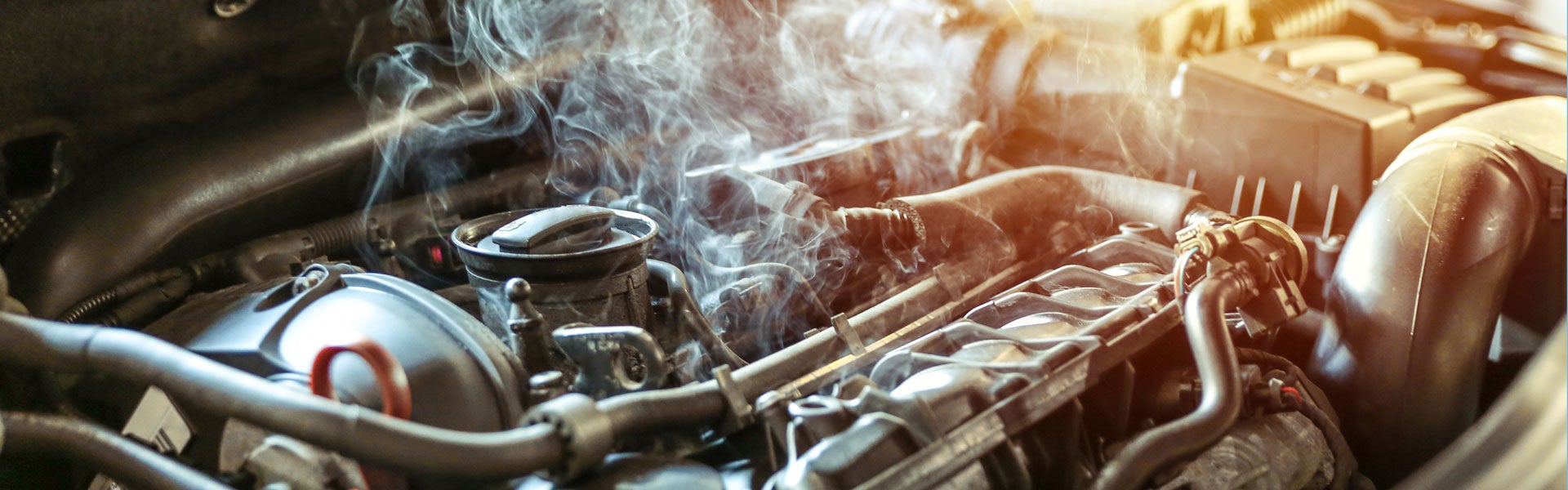
Most dashboard gauges spend their lives doing very little. They sit where they're supposed to, reassuring you that everything is working as intended. The temperature gauge is different. When it starts moving higher than normal, it's asking you to pay attention. Ignoring an overheating engine can transform a routine service visit into a major repair. Understanding what causes rising engine temperatures, and responding early, is one of the simplest ways to protect your vehicle for the long haul. Your Cooling System Does More Than Keep the Engine Cool Engine coolant has one primary responsibility: carrying heat away from the engine before that heat causes damage. As coolant circulates through the engine and radiator, it absorbs excess heat and releases it into the surrounding air. When the system is full, properly sealed, and operating as designed, engine temperature remains remarkably consistent. Routine cooling system maintenance goes well beyond adding coolant. Inspecting fluid condition, checking freeze and boil protection, examining hoses, and verifying the operation of components such as the radiator, thermostat, and water pump all help keep the system performing as intended. Early Warning Signs Are Easy to Miss A temperature gauge moving above its normal position is the most obvious sign that something isn't right, but it often isn't the first. A sweet smell after driving, coolant beneath the vehicle, steam from under the hood, a low coolant warning, or a heater that suddenly stops producing warm air can all indicate cooling system concerns before full overheating occurs. Addressing these symptoms early is almost always simpler, and less expensive, than waiting until the engine reaches excessive temperatures. Why Overheating Becomes Expensive So Quickly Modern engines operate within carefully controlled temperature ranges. When overheating occurs, metal components expand beyond their intended limits. Continued operation under those conditions can damage cylinder heads, compromise head gaskets, or lead to internal engine damage that requires extensive repairs. What begins as a leaking hose, a worn thermostat, or a small coolant leak can become significantly more serious if the warning signs are ignored. When Should Coolant Be Serviced? Coolant doesn't last forever. Most manufacturers recommend replacing coolant somewhere between 30,000 miles and five years, depending on the vehicle and the type of coolant specified. Following the maintenance schedule in your owner's manual remains the best guide. If the temperature gauge has begun climbing, however, scheduled maintenance intervals no longer apply. The cooling system should be inspected promptly to determine the cause before additional damage occurs. If you're searching for Chevrolet service, Buick service, cooling system repair, or engine maintenance near Rittman, regular coolant inspections remain one of the most effective ways to protect long-term engine reliability. Keep Your Cooling System Ready for the Road Ahead Cooling systems rarely fail without providing advance warning. Recognizing those early signs, scheduling inspections when something seems different, and staying current with recommended coolant service can help prevent unexpected breakdowns and costly repairs. Schedule Cooling System Service at Laria Chevrolet Buick If your temperature gauge has been rising, you've noticed coolant beneath your vehicle, or it's simply time for a cooling system inspection, the team at Laria Chevrolet Buick is here to help. Visit us in Rittman, OH, or schedule your service appointment online. Our factory-trained technicians can inspect your cooling system, identify any developing concerns, and help keep your Chevrolet or Buick operating at the temperature it was designed to maintain.